
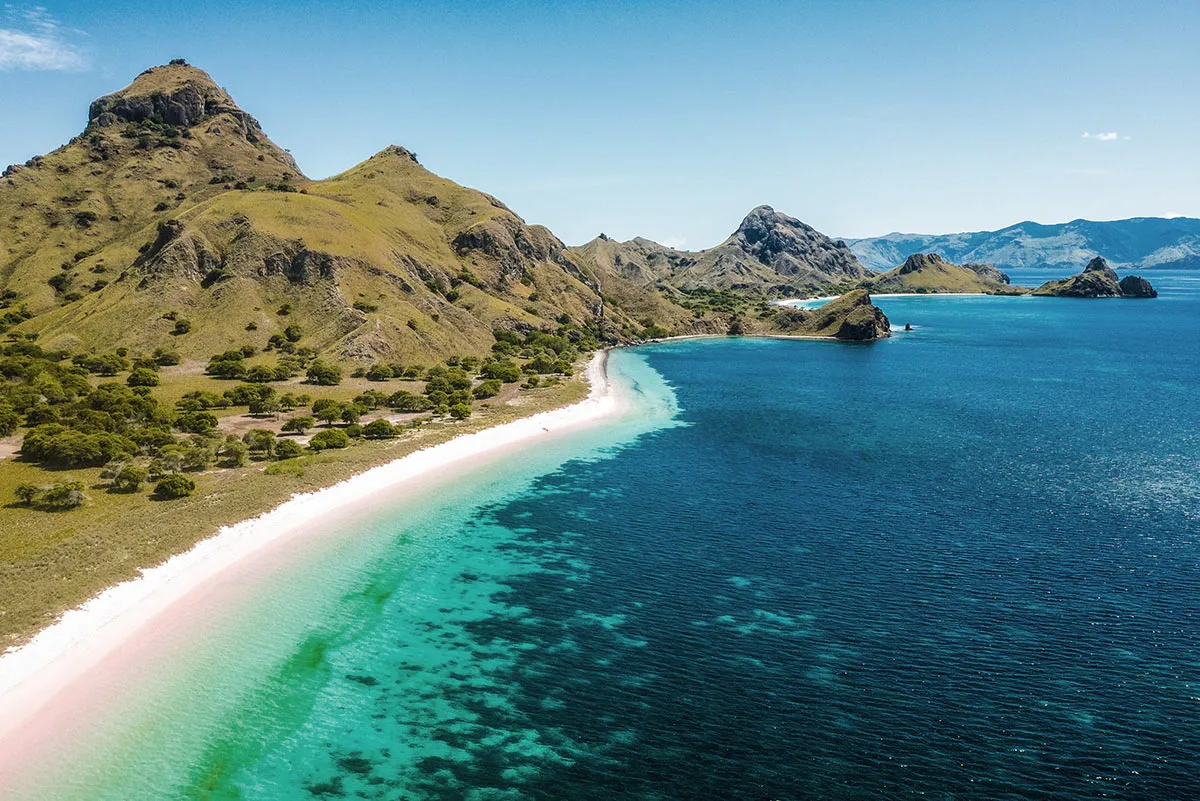
Hidden Travel Destinations in Indonesia Beyond Bali
Indonesia is one of the most fascinating travel destinations in Southeast Asia, known for its tropical islands, breathtaking landscapes, ancient traditions, and diverse cultures. While Bali attracts millions of visitors with its beautiful beaches, temples, and lively atmosphere, the country has countless other destinations that deserve equal attention.
From remote mountain villages and untouched islands to colorful coral reefs and spectacular waterfalls, Indonesia offers unforgettable experiences beyond its most famous tourist hotspots. Travelers who explore lesser-known regions can discover peaceful surroundings, authentic local traditions, and extraordinary natural attractions.
For anyone hoping to experience a different side of the country, exploring hidden travel destinations in Indonesia beyond Bali opens the door to remarkable adventures. Whether you enjoy hiking, snorkeling, photography, cultural exploration, or simply relaxing in nature, these destinations reveal the incredible diversity of the Indonesian archipelago.
Why Explore Indonesia Beyond Bali?
Bali is undoubtedly beautiful, but Indonesia consists of thousands of islands with distinct landscapes, languages, traditions, and attractions. Exploring destinations outside Bali allows visitors to experience aspects of Indonesian life that are sometimes overlooked by mainstream tourism.
Many lesser-known destinations offer quieter beaches, traditional communities, incredible wildlife, and opportunities to connect with local culture. Instead of spending most of the journey in crowded tourist areas, travelers can discover remote villages, stay in locally managed accommodations, and explore landscapes that remain relatively undeveloped.
Another advantage is the variety of experiences available. Some islands feature world-class marine biodiversity, while others are known for volcanic scenery, lush mountains, historical architecture, or distinctive cultural celebrations.
However, reaching remote destinations often requires additional planning. Transportation may involve connecting flights, long road journeys, or boat transfers, and accommodation choices can be limited. For adventurous travelers, these challenges can become part of the experience.
See also: discoverindonesianow
1. Wae Rebo Village, Flores – A Traditional Village Above the Clouds
Hidden among the mountains of Flores in East Nusa Tenggara, Wae Rebo is one of Indonesia’s most distinctive cultural destinations. This traditional village sits approximately 1,100 meters above sea level, surrounded by dense forests, rolling hills, and refreshing mountain air.
The village is particularly famous for its traditional cone-shaped houses, known as Mbaru Niang. These remarkable structures reflect the architectural heritage and traditions of the local Manggarai community.
What Makes Wae Rebo Special?
Unlike conventional tourist attractions, Wae Rebo offers visitors an opportunity to observe traditional village life in a peaceful mountain environment. The settlement is home to seven main traditional houses, arranged around a central communal space.
Visitors can learn about local customs, traditional architecture, and the importance of community relationships. The village’s conservation efforts received international recognition through a UNESCO Asia-Pacific cultural heritage conservation award in 2012.
Things to Do in Wae Rebo
Visitors can explore forest trails, photograph the dramatic mountain scenery, and spend time learning about Manggarai traditions. Overnight stays in traditional communal houses offer a particularly memorable experience.
Reaching Wae Rebo requires traveling through Flores and completing a mountain trek from the Denge area. The walk generally takes several hours, depending on trail conditions and individual fitness.
The journey is especially rewarding for travelers interested in cultural heritage, sustainable tourism, and remote mountain landscapes.
2. Sumba Island – Untouched Beaches and Ancient Traditions
Sumba is an island in East Nusa Tenggara that offers a remarkable combination of natural beauty and cultural heritage. Unlike the heavily developed resort areas found in some popular destinations, much of Sumba retains a rural atmosphere characterized by open grasslands, traditional villages, and dramatic coastlines.
The island is known for its distinctive traditional houses, megalithic tombs, and the enduring cultural importance of Marapu ancestral beliefs.
Discover Sumba’s Natural Attractions
One of Sumba’s most recognizable destinations is Walakiri Beach, famous for its small mangrove trees and beautiful sunset reflections. During low tide, the shallow water creates a picturesque landscape that attracts photographers.
Another notable destination is Weekuri Lagoon, where visitors can enjoy the scenery of a coastal saltwater lagoon surrounded by rock formations.
Sumba also features waterfalls, secluded beaches, and expansive grassy hills that change appearance with the seasons.
Experience Traditional Sumbanese Culture
Travelers can visit traditional villages to learn about local architecture, handwoven textiles, and longstanding cultural practices.
The island is also known for the Pasola tradition, a ceremonial horseback event associated with local cultural beliefs and seasonal rituals. Visitors interested in witnessing such events should confirm the schedule and follow local guidance.
Sumba is particularly suitable for travelers seeking scenic road trips, traditional culture, and a peaceful alternative to Indonesia’s busier islands.
3. The Togean Islands – A Quiet Marine Paradise
Located in the Gulf of Tomini in Central Sulawesi, the Togean Islands are an attractive destination for travelers who prefer peaceful tropical surroundings.
These islands are known for their clear waters, coral reefs, rainforest-covered landscapes, and small coastal settlements. Their relative remoteness has helped preserve a quiet atmosphere compared with Indonesia’s major resort destinations.
Snorkeling and Diving in the Togean Islands
The surrounding waters contain a variety of coral habitats and colorful marine life, making snorkeling and diving popular activities.
Travelers can explore underwater environments, observe tropical fish, and enjoy boat excursions between islands. Conditions and marine visibility vary throughout the year, so visitors should seek local advice before arranging water activities.
Experience Island Life
One of the main attractions of the Togean Islands is their relaxed pace of life. Visitors can stay in simple seaside accommodations, explore fishing villages, and enjoy evenings away from busy urban environments.
Some communities maintain strong maritime traditions, including those associated with the Bajau people.
Access generally involves reaching mainland Sulawesi and continuing by boat. Transport schedules may be limited, making flexibility important.
For visitors looking for a remote beach experience, the Togean Islands are among the most appealing hidden travel destinations in Indonesia beyond Bali.
4. Derawan Islands – An Underwater Wonderland in Kalimantan
The Derawan Islands, situated off the coast of East Kalimantan, offer extraordinary marine scenery and opportunities to observe wildlife.
The archipelago includes several well-known islands, such as Derawan, Maratua, Sangalaki, and Kakaban. Each has its own attractions, from beautiful beaches and lagoons to underwater ecosystems.
Marine Wildlife and Coral Reefs
The waters surrounding the Derawan Islands are home to sea turtles, reef fish, corals, and other marine species.
Sangalaki is particularly associated with manta ray encounters, although sightings depend on environmental conditions and cannot be guaranteed.
Kakaban is famous for its unusual marine lake and jellyfish populations. Visitors should follow current conservation rules, as access and permitted activities may change to protect these sensitive ecosystems.
Island Hopping Adventures
Travelers can arrange boat excursions to explore different islands, relax on white-sand beaches, and enjoy snorkeling in suitable locations.
The combination of tropical scenery, biodiversity, and relatively peaceful surroundings makes Derawan especially attractive to nature enthusiasts and underwater photographers.
5. Belitung Island – Granite Boulders and Beautiful Coastal Scenery
Belitung, located off the eastern coast of Sumatra, is known for its distinctive beaches decorated with enormous granite boulders.
These natural formations create a remarkable coastal landscape that differs from the beaches found in many other parts of Indonesia.
Explore Tanjung Tinggi Beach
Tanjung Tinggi is one of Belitung’s most recognizable attractions. The beach features smooth granite rocks, white sand, and clear blue water.
The large boulders form natural passages and sheltered areas that make the coastline fascinating to explore.
Visitors can enjoy photography, relaxing by the shore, and swimming when sea conditions are appropriate.
Discover Nearby Islands
Boat excursions around Belitung provide opportunities to explore smaller islands and scenic coastal locations.
Lengkuas Island is particularly notable for its historic lighthouse and surrounding turquoise waters.
Beyond the beaches, visitors can discover local seafood dishes, traditional markets, and the everyday culture of island communities.
Belitung is a strong choice for travelers who appreciate coastal scenery but prefer a destination that feels less commercialized than major resort areas.
6. Kei Islands – White Sand Beaches in Eastern Indonesia
The Kei Islands, located in the Maluku region of eastern Indonesia, are famous for their exceptionally soft white sand, clear tropical waters, and peaceful coastal scenery.
Despite their outstanding natural beauty, these islands remain less internationally recognized than many established Indonesian beach destinations.
Explore Ngurbloat Beach
Ngurbloat Beach, also known as Pasir Panjang, is one of the most beautiful coastal attractions in the Kei Islands.
Its long shoreline, fine white sand, and shallow turquoise waters create an inviting environment for relaxing walks and beach photography.
The peaceful atmosphere makes it particularly appealing to travelers who want to escape crowded beaches.
Experience Local Island Culture
Beyond their beautiful coastlines, the Kei Islands have a distinctive cultural identity shaped by maritime traditions, community relationships, and local customs.
Visitors can explore coastal settlements, enjoy traditional seafood dishes, and discover the slower rhythm of island life.
The Kei Islands are ideal for travelers who appreciate natural beauty, cultural experiences, and destinations that require a little extra effort to reach.
7. Banda Islands – History, Volcanoes, and Tropical Waters
The Banda Islands, situated in the Maluku province, offer an extraordinary combination of natural landscapes and historical significance.
These islands were once central to the global spice trade, particularly because of their valuable nutmeg production.
Today, the Banda Islands attract visitors interested in history, diving, volcanic scenery, and traditional island communities.
Explore Banda Neira’s Historical Attractions
Banda Neira contains numerous reminders of Indonesia’s colonial past, including historic buildings and old fortifications.
Benteng Belgica is one of the area’s most recognizable landmarks. The fort provides insight into the strategic importance of the Banda Islands during the spice trade.
Walking through Banda Neira allows travelers to experience the connection between historical architecture and modern island life.
Discover Gunung Api Banda
Gunung Api Banda is an active volcano that rises dramatically above the surrounding sea.
Its striking appearance creates one of the most memorable landscapes in the region. Travelers interested in hiking should confirm volcanic activity alerts and local access conditions before planning an ascent.
The surrounding marine environment also attracts divers and snorkelers interested in coral reefs and tropical marine life.
The Banda Islands are especially rewarding for visitors who want to combine cultural exploration with outdoor adventures.
8. Alor Island – A Remote Destination for Ocean Lovers
Alor is a mountainous island in East Nusa Tenggara known for its dramatic coastline, marine biodiversity, and traditional cultural heritage.
It remains relatively overlooked by mainstream international tourism, making it an attractive destination for travelers who enjoy remote environments.
Diving and Marine Exploration
The waters surrounding Alor are popular among experienced divers because of their rich marine ecosystems and varied underwater landscapes.
Divers may encounter colorful reef fish, coral formations, and other fascinating marine creatures.
Some dive sites experience strong currents, so choosing reputable local operators and suitable conditions is essential.
Traditional Villages and Local Heritage
Alor also offers cultural attractions beyond its underwater environment.
Traditional communities preserve distinctive architecture, crafts, and customs that reflect the island’s diverse history.
Visitors can learn about local weaving traditions and explore inland villages where everyday life remains closely connected to the surrounding landscape.
For travelers seeking both marine adventure and cultural discovery, Alor offers a memorable experience.
Best Time to Explore Hidden Travel Destinations in Indonesia
Indonesia has a tropical climate, but seasonal weather patterns differ considerably between regions.
Many parts of Java, Bali, and East Nusa Tenggara generally experience drier conditions between approximately April and October. However, eastern destinations such as the Banda Islands, Kei Islands, and parts of Sulawesi can experience different rainfall and sea patterns.
Traveling During Drier Months
Drier periods are often more suitable for hiking, road trips, and outdoor sightseeing.
Destinations such as Sumba and Flores can be particularly attractive during these months, although landscapes may appear greener during or shortly after the rainy season.
Planning Around Sea Conditions
For island destinations, sea conditions can be more important than rainfall alone.
Rough seas may affect ferries, small boats, and snorkeling excursions. Travelers visiting remote islands should check local weather forecasts and transportation arrangements before departure.
The ideal season depends on the exact destination and planned activities rather than a single nationwide travel calendar.
How to Plan a Trip Beyond Bali
Exploring lesser-known Indonesian destinations can be rewarding, but successful travel requires thoughtful preparation.
Research Transportation Options
Many remote destinations cannot be reached through direct international flights.
Travelers may need domestic flights, road transfers, ferries, or privately arranged boats. Transport schedules can change, especially in locations with limited infrastructure.
Planning connections carefully and allowing extra time for unexpected disruptions can make the journey significantly easier.
Choose Accommodation in Advance
Major cities offer a wide range of hotels, but remote islands and traditional villages may have only a few guesthouses or homestays.
Booking accommodation ahead of time is particularly useful when visiting during local holidays or popular travel periods.
Bring Essential Travel Supplies
Travelers exploring remote areas should consider carrying sufficient cash, drinking water, personal medication, sun protection, insect repellent, and suitable clothing.
Reliable internet connections and ATM facilities may be unavailable in smaller settlements.
Respect Local Customs
Indonesia is home to many cultural communities with different religious practices, traditions, and social expectations.
Visitors should dress appropriately when visiting traditional villages, seek permission before photographing residents, and follow community guidelines.
Respectful tourism helps preserve cultural heritage while creating positive relationships between visitors and local communities.
Responsible Tourism in Indonesia’s Lesser-Known Destinations
The growing popularity of remote destinations creates opportunities for local communities but can also place pressure on sensitive environments.
Travelers can help protect these places by choosing responsible tourism activities and supporting locally owned businesses.
Protect Natural Environments
Avoid leaving litter, damaging coral reefs, disturbing wildlife, or removing natural objects from protected areas.
When snorkeling or diving, maintain an appropriate distance from marine animals and avoid touching coral formations.
Support Local Communities
Choosing local guides, community-managed guesthouses, and locally produced goods can contribute directly to the regional economy.
These choices may also provide a more meaningful understanding of the destination.
Follow Conservation Regulations
Certain protected areas have restrictions concerning access, wildlife interactions, photography, or recreational activities.
Always follow current guidance from local authorities and conservation organizations.
Responsible travel helps ensure these destinations remain attractive and culturally meaningful for future generations.
Frequently Asked Questions About Hidden Travel Destinations in Indonesia
What Are the Best Hidden Travel Destinations in Indonesia Beyond Bali?
Wae Rebo Village, Sumba Island, the Togean Islands, Derawan Islands, Belitung, the Kei Islands, Banda Islands, and Alor are excellent destinations for travelers interested in exploring Indonesia beyond Bali. Each offers different attractions, including traditional culture, beautiful beaches, mountain scenery, and marine wildlife.
Which Indonesian Island Is Best for a Peaceful Beach Holiday?
Belitung and the Kei Islands are appealing choices for travelers seeking scenic beaches and a more relaxed atmosphere. The Togean Islands are another option for visitors who prefer remote coastal surroundings and simple island accommodations.
Are Indonesia’s Lesser-Known Destinations Expensive to Visit?
Travel costs vary depending on transportation, accommodation, and location. Some remote destinations have affordable local guesthouses, but reaching them can be expensive because of domestic flights, boat transfers, and limited transport options.
Is It Safe to Explore Remote Indonesian Islands?
Many remote Indonesian destinations welcome tourists, but visitors should research local conditions and plan carefully. Weather, transportation reliability, healthcare availability, volcanic activity, and communication access are important considerations. Traveling with experienced local guides can be helpful in unfamiliar regions.
How Many Days Are Needed to Explore Indonesia Beyond Bali?
A journey of seven to ten days may be sufficient to explore one region comfortably. Travelers hoping to visit multiple remote islands should consider a longer trip because transportation connections can take considerable time. Focusing on one or two nearby destinations usually creates a more relaxed experience.
Can First-Time Visitors Explore Indonesia Beyond Bali?
Yes, first-time visitors can explore destinations beyond Bali, especially places with established tourism infrastructure such as Belitung or parts of Flores. More isolated destinations may require additional planning, flexible schedules, and assistance from local transportation providers or guides.
Conclusion
Indonesia’s beauty extends far beyond Bali’s famous beaches and popular tourist attractions. Across the archipelago, travelers can discover remarkable destinations filled with natural wonders, unique cultures, fascinating history, and unforgettable experiences.
From the traditional mountain settlement of Wae Rebo and the dramatic landscapes of Sumba to the coral-rich waters of the Togean and Derawan Islands, every destination reveals a different side of Indonesia.
The historic Banda Islands, peaceful Kei Islands, picturesque Belitung beaches, and remote beauty of Alor further demonstrate the country’s extraordinary diversity.
Exploring hidden travel destinations in Indonesia beyond Bali is not simply about finding quieter places. It is an opportunity to understand local traditions, appreciate natural environments, and experience the country’s rich cultural identity.
For travelers planning their next adventure, discoverindonesianow encourages a deeper exploration of Indonesia’s lesser-known destinations, where beautiful landscapes, welcoming communities, and authentic travel experiences await.
2 Comments